Is that mold count actually high?
Understand outdoor mold conditions, compare indoor and outdoor samples, and make sense of mold test numbers without pretending there is one universal “safe” cutoff.
“High” depends on what you measured.
Outdoor count: commonly reported as a local environmental condition.
Indoor air sample: best interpreted with the outdoor sample, mold types, moisture evidence, and inspection findings.
EPA says there are no federal standards or threshold limit values for airborne mold concentrations.
Two questions people mean by “high mold count”
HighMoldCount.com separates them instead of mixing weather-style outdoor counts with indoor building investigations.
Is outdoor mold high today?
Outdoor spores change with location, season, vegetation, weather, and sampling methods. Use local reporting as context for exposure and allergy planning.
Outdoor mold guide →Is my indoor mold test high?
There is no federal pass/fail spore count. Indoor results are more meaningful when compared with an outdoor control and the building's moisture history.
Read your test report →Mold report context checker
This tool does not declare a home “safe” or “unsafe.” It helps you spot the first comparison an inspector would normally examine.
EPA remediation guidance says post-remediation indoor types and concentrations should be similar to local outdoor air. That does not make a ratio a universal pass/fail rule, but it makes the comparison useful context.
EPA guidance says sampling is usually unnecessary when visible mold is present. The priority is the moisture source and cleanup.
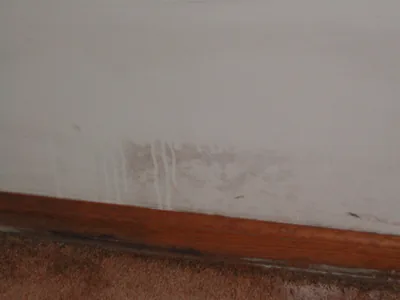
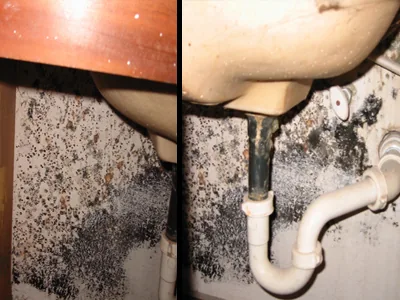
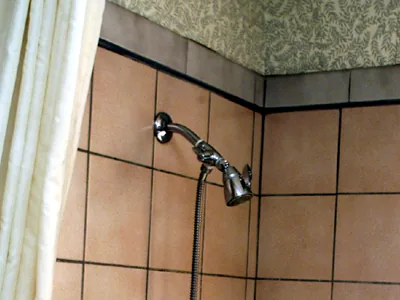
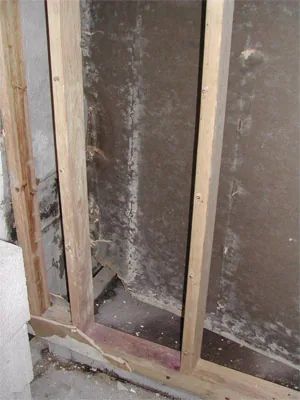
What Does Mold Look Like?
Mold can appear as spots, patches, fuzzy growth or discoloration on walls, drywall and other indoor surfaces. It may be black, green, white, brown or other colors—but appearance alone cannot reliably identify the species or tell you how hazardous it is.
Start with the evidence that matters most
Moisture
Leaks, condensation, flooding, elevated humidity, and wet building materials are the engine behind indoor mold growth.
Pattern
Indoor-versus-outdoor differences, unusual dominance of one type, and room-to-room variation can provide more context than a total alone.
Inspection
Visible growth, odors, staining, damaged materials, and hidden damp areas can matter even when a short air sample looks unremarkable.
Popular questions
What is a high mold count?
Why no one number works for every indoor mold test.
Is 10,000 spores/m³ high?
How to interpret a five-digit result in context.
Aspergillus/Penicillium count
Why this common lab grouping appears so often on reports.